Core Skills – Minimum of 2000 Hours Required. Examples include site preparation, layout, cleanup and security; using blueprints; identify and work safely around environmental hazards; recognize, secure and maintain job site safety; erect, dismantle, maintain and work from scaffolds or lifts; operate and maintain hand and power tools; operate and maintain equipment as required by the job; identify, estimate, move, supply, stock and store materials; use appropriate hand signals.
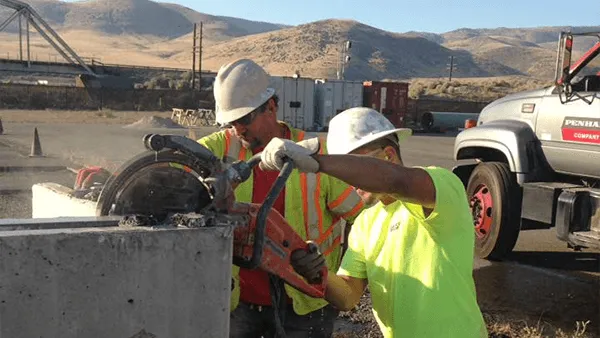
Heavy/Highway and Utility Construction – Examples include concrete placement, mixing, placement, vibration, patching, dry packing, build and place forms, move and clean forms, cure concrete, and related work; concrete cutting, coring, grooving; pipelaying and making connections for utilities; hoisting and rigging; traffic control/flagging; trenching and excavating/backfill and compaction; grade setting/checking; layout and staking; site preparation/clean up and security; drilling; asphalt raking, placement, compaction, and preparation and related work; build railroad beds and all related bridges and tunnels, install tracks; erect, dismantle and maintain scaffold; identify, inspect and maintain all customary tools and equipment; install erosion control systems; forklift operation; aerial lift operation; site/roadside remediation; demolition.
Masonry – Examples include erect/dismantle and maintain scaffold; estimate, stock and maintain supply areas; identify, inspect, use and maintain tools, hand, electric, gas, pneumatic; forklift operation; aerial lift operation; mason tender/plaster tender; bracing walls; mixing mortar or plaster including colored mortar or colored plaster; estimating and stocking masonry units; cutting masonry units; supply, stock and dispense mortar, plaster, block/brick, reinforcement and other materials; plaster or grout pump operation/maintenance; plaster or grout pump hose layout/cleaning; fireproofing operations; exterior insulation finish systems; interior plaster operations; clean masonry walls.
Demolition and Deconstruction – Examples include identify and work safely around environmental hazards; erect/dismantle and maintain scaffold; cutting and burning; hoisting and rigging; trenching and excavating; aerial lift operation; site preparation/cleanup and security; identify, inspect, use and maintain all tools, hand, electric, gas, pneumatic; fire watch; concrete cutting and sawing; demolition debris handling and management (recycling, reuse, disposal).
Pipeline – Examples include hoisting and rigging; trenching and excavating; site preparation/cleanup and security; identify, inspect, use and maintain all tools specific to the concentration, hand, electric, gas, pneumatic; grade setting/checking; layout and staking; clearing and maintaining the right of way (ROW); pump water; locate utilities; build and dismantle fences; load and unload pipe; fill and place sandbags; load, unload and place skids; install erosion control systems; pipe surface preparation/sand blasting; apply pipe coating; inspect pipe coating visually and with a holiday detector; patch coating; install pipe coating protection; install corrosion protection; “pig” the pipe; ROW remediation.
Tunneling – Examples include drilling; identify, inspect, use and maintain all tools specific to the concentration, hand, electric, gas, pneumatic; hoisting and rigging; concrete pump operation and maintenance; install services (track laying, conveyors, vents, water, compressed air pipes etc.); install tunnel supports (steel ribs, mesh, rock bolts); shaft and tunnel grouting; shotcrete/gunite application; cutting and burning.
Environmental Remediation – Examples include asbestos abatement; hazardous waste remediation; lead abatement; microbial remediation; radiation protection/radioactive material handling; water damage/fire restoration; erect, dismantle and maintain scaffold; identify, inspect, use and maintain all tools specific to this concentration, hand, electric, gas, pneumatic; aerial lift operation.
Landscaping – Examples include trim and prune hedges, trees and shrubs; seed and sod lawns; install irrigation systems; install retaining walls; install brick pavers for walks and patios; apply fertilizers and pesticides – traditional use and alternative “green” applications; plant and maintain flowers and ground covers; install and maintain fences, planters and other landscaping features (playgrounds, gazebos, fountains); small engine maintenance/repair; identify, inspect, use and maintain all tools specific to the concentration, hand, electric, gas, pneumatic; traffic control/flagging; operate all landscape equipment related to the occupation.
Concrete Specialist – Examples include site preparation; build and place forms, remove and clean forms; screeding and leveling of concrete; float, trowel, and finish concrete; cure and protect concrete; apply surface treatments and finishes to hardened concrete; sack, patch and repair concrete finishes and defects; exposed aggregate, stamped and other decorative concrete finishes; set screeds, screed pins, screed wires and/or lines; operation of laser screeds, laser level, and slip form machines; operation of troweling and ride-on troweling machines; identify, inspect, use, and maintain all customary tools and equipment related to the work of a Concrete Specialist, hand, electric, gas/diesel, pneumatic, powder-actuated.